
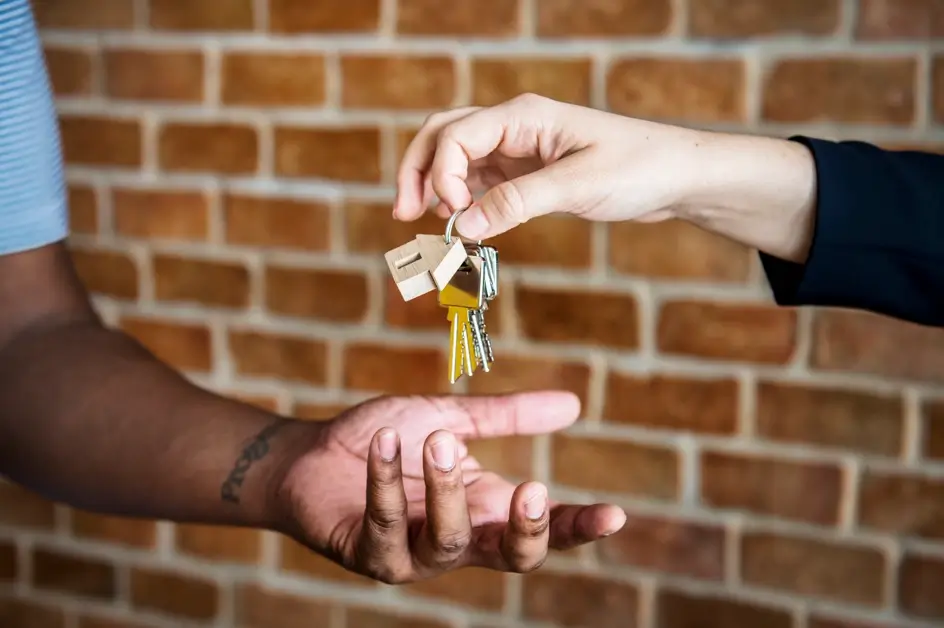
Think about how many keys to your front door are out there right now. The previous owner had copies. The contractor who redid the bathroom had one for three weeks. Your old roommate never gave hers back. Every one of those keys still opens your door today, and the lock has no way of telling you how many exist.
Rekeying and Replacing: What Changes Inside the Lock
A pin tumbler lock holds a stack of small brass pins inside the cylinder. Your key pushes those pins to a specific height, the shear line clears, and the plug turns. Rekeying means removing the cylinder, swapping the bottom pins for a new combination, and cutting a fresh key to match. The lock body, the strike plate, and the door hardware all stay in place.
Replacement means throwing away the entire lock and installing new hardware. Both actions stop the old key from working, though the cost and the labor differ by a wide margin. A residential locksmith makes this call after checking the age and condition of your existing hardware, since a lock in sound shape has no reason to leave the door.
The practical difference for homeowners comes down to this. Rekeying handles a key control problem. Replacement handles a hardware problem.
The Answer on How Often to Rekey Your House Locks
No manufacturer prints a rekey schedule on the box, so the answer combines a baseline with a list of triggers.
A reasonable baseline for an owner-occupied home runs every three to five years. Over that stretch, you will have handed out spares you forgot about, lost track of at least one copy, and let service people through the door more times than you remember. Households with children, frequent guests, or regular home services move toward the three-year end of that range.
The triggers matter more than the calendar. Any event that puts a working key in the hands of someone outside your household resets the clock the day it happens. A home can sit five years without a single reason to rekey, then need it twice in one month.
A Simple Rekey Rhythm for Most Homes
- Day one in a new home: Rekey every exterior lock before the first night
- Within 24 hours of losing a key: Treat a missing key as a key in someone else’s pocket
- After any tenant, roommate, or housemate leaves: No exceptions, even on friendly terms
- Following a renovation or long service project: Contractors, subs, and crews all pass keys around
- Every three to five years otherwise: A reset on copies you stopped tracking
Life Events That Put Your Key in Someone Else’s Hands
Certain moments carry a higher risk than any calendar reminder.
Buying a Home: Sellers hand over two keys at closing, and that number tells you nothing. Previous owners gave copies to neighbors, cleaners, relatives, dog walkers, and the last set of renters. Real estate agents, stagers, inspectors, and photographers all held the lockbox code. Rekeying on move-in day is the single most common reason people call a residential locksmith in Burien.
A Roommate or Tenant Moving Out: Someone can copy a key at any hardware counter in ten minutes for a few dollars. The key returned to you proves nothing about the copies that stayed behind.
Separation or Divorce: Emotional situations raise the stakes, and a lock change removes the argument entirely.
Losing a Key Outside the House: A key alone gives a stranger little. A key with a car fob, a gym tag, or an envelope carrying your address turns into a working entry.
Ending a Service Relationship: House cleaners, babysitters, pet sitters, and caretakers all hold keys during their employment. The turnover in those roles happens more often than most families track.
A Break-in or Attempted Entry: Damaged hardware needs assessment, and any lock a stranger handled belongs on the list for lock rekeying service or full replacement.
An estate or inherited property. Family homes accumulate keys across decades, and nobody knows where all of them went.
How Many Copies of Your Key Exist Right Now?
Sit down and count. Start with the keys in your household, then work outward. The neighbor who watered plants during your vacation in 2022. The relative who stayed for two weeks. The handyman who came back three times. The tenant before the tenant before you.
Most homeowners stop counting somewhere between six and ten, and the honest total sits higher. Burglary data underlines why this matters. The FBI reports that unlawful entry without force accounts for roughly 38 percent of burglaries, and its Uniform Crime Reporting data places the average dollar loss per burglary at $2,661. Research from security firms shows the front door serves as the entry point in about 34 percent of break-ins.
An entry that leaves no broken glass and no pry marks also complicates your insurance claim. Adjusters ask how the person got in, and a clean entry with no damage invites questions you will struggle to answer.
What Happens During a Rekey Appointment?
The process moves faster than most homeowners expect. A technician removes the lock cylinder from the door, takes out the retaining clip and the plug, and slides the plug free of the housing. The old bottom pins come out, and new pins matched to a fresh cut pattern go in. The plug goes back, the cylinder returns to the door, and the new key gets tested from both sides with the door open and closed.
A single lock takes ten to fifteen minutes. A house with four exterior doors takes under an hour in most cases.
Keying Every Door to One Key
This is the part homeowners appreciate most. A residential locksmith can set every exterior lock in your home to accept the same key, provided the locks share a compatible keyway. Front door, back door, side entry, garage service door, and shed all open with one key on your ring.
Households that added locks over the years usually carry three or four different keys with no labels. Combining them during a rekey removes the fumbling at the door with grocery bags in both hands. Mixed brands sometimes need a swap on one or two units before this works, which is where lock replacement service fits into an otherwise simple rekey visit.
When Rekeying Falls Short and New Hardware Makes Sense?
Rekeying solves key control and nothing else. These conditions call for different work:
- The key sticks, catches, or needs jiggling to turn, which points to internal wear
- The cylinder shows corrosion from Pacific Northwest rain and salt air
- The deadbolt throws less than one inch into the strike, or fails to seat fully
- The lock carries an ANSI Grade 3 rating and guards a main entry, where Grade 1 or Grade 2 belongs
- Screws have pulled loose from a soft door frame, allowing the whole assembly to shift
- The hardware predates the house’s last renovation and shows visible pitting
- A break-in attempt left the strike plate bent or the frame split
A loose or dragging deadbolt on a main door needs attention before anything else, since the deadbolt carries the actual security load. Handling that through deadbolt repair work restores the door’s resistance, and rekeying afterward completes the job.
What Rekeying Costs Around Burien and What Moves the Price?
Home lock rekeying starts around $40 per lock in the Burien area, with a service call fee near $29 for the trip. A standard four-door house lands in a range most homeowners find reasonable next to the cost of replacing four complete lock sets, which runs several times higher.
Factors that shift the number:
- Lock count. Per-lock pricing drops the average once a technician is already on site.
- Lock type. Standard residential cylinders cost less than high security cylinders with restricted keyways and sidebar mechanisms.
- Condition. A seized or corroded cylinder needs cleaning or replacement before rekeying works.
- Timing. Late-night and same-day emergency visits carry different rates than scheduled morning appointments.
- Extra keys. Additional copies cut during the visit cost less than a separate trip for key duplication service later.
Compare that figure against the average burglary loss, and the math answers itself.
Renters, Landlords and Washington Lock Rules
Tenants across Burien and King County ask whether they can change locks on their own. The general answer depends on your lease, since most agreements require landlord permission and a copy of the new key for the property manager.
Washington law carves out a specific protection. Under RCW 59.18.585, a tenant holding a court order granting possession of the unit to the exclusion of a cotenant may request that the lock be replaced or configured for a new key at the tenant’s expense. The landlord must comply once given a copy of the order, and the landlord cannot provide copies of the new keys to the person the court excluded.
Landlords managing rental property have their own rhythm. Rekeying between tenancies protects the incoming renter and limits liability, and a keyed-alike system across several units simplifies management while keeping each unit separate.
Smart Locks, Keypads and Whether Rekeying Still Applies
Electronic locks change the conversation without ending it. A keypad deadbolt lets you delete a code when the cleaner stops working for you, which handles day-to-day access control far better than metal keys.
Two points still matter. Most smart deadbolts include a physical key override, and that override cylinder uses standard pins that any locksmith can rekey. A keypad with an old key cylinder gives you modern convenience over an outdated key list.
Codes also need management. Households frequently share one code with everybody and never change it, which recreates the same problem in digital form. Assigning separate codes per person, deleting them when access ends, and rotating the master code twice a year keeps the system honest. Homeowners upgrading their entry hardware often pair smart lock installation with a rekey of the remaining doors so the whole house resets at once.
Habits That Keep Your Key List Short
- Write down every person who receives a key and the date you handed it over
- Collect keys back in person rather than accepting a promise to mail them
- Avoid hiding a spare under a mat, a rock, or a planter, since those spots get checked first
- Give a trusted neighbor the spare instead of the flower bed
- Choose restricted keyways for main entries, which block copying at retail counters
- Check that your deadbolt throws fully into a reinforced strike with three-inch screws
- Set a reminder to review your key situation each year alongside smoke detector batteries
Book Your Rekey Before Someone Else Uses Their Copy
Nothing about an unaccounted-for key announces itself. The lock works the same way this morning as it did the day you moved in, and it will keep working the same way for the person holding a copy you forgot about. Homeowners rarely regret spending an hour on a rekey, and the ones who wait find out the hard way, usually while standing in a living room that somebody walked through without breaking a thing.
Locksmith Contact is a local, trained, and certified team serving Burien and the surrounding King County area with 24-hour service. We handle rekeying, lock installation and replacement, deadbolt repair, key duplication, smart lock setup, and lockouts for homes and apartments, with upfront pricing and no surprise charges. Reach out to book your appointment and take back control of who can open your front door.