Home security matters everywhere, but in a close-knit community like Burien, Washington, residents think too much about how to protect their homes, families, and belongings. From quiet areas to busy residential streets, safety remains a priority.
When it comes to locking your doors, two major choices often crop up: traditional deadbolts and modern smart locks. Each brings its own strengths and challenges.
Are you confused between a deadbolt and a smart lock installation in Burien? Then this blog is for you. In this blog, we will be discussing the difference between the two locks and help you decide which one is the best for you.
What is a Deadbolt Lock?
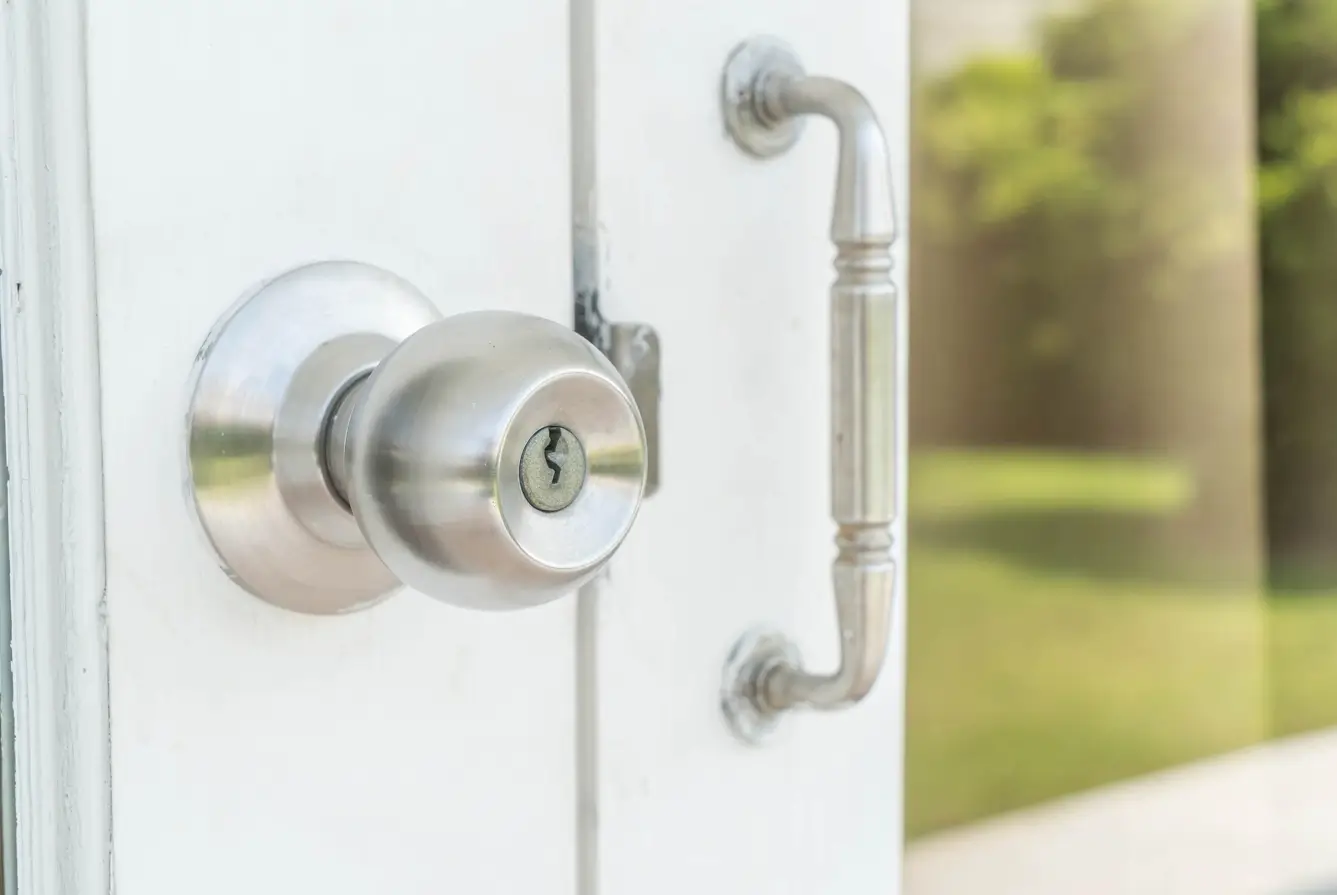
Deadbolts have been a staple of home security long before smart technology arrived. At its core, a deadbolt is a mechanical locking mechanism embedded deep into your door frame. You turn a key or thumb turn to slide a heavy metal bolt into place. This strong bolt creates a sturdy barrier that resists forced entry.
Most homeowners in Burien already have a deadbolt, and for good reason. Its simplicity makes it reliable. You can feel the physical strength of a deadbolt engage with a satisfying turn of the key. There’s nothing digital to update or connect. It just works.
But though deadbolts offer strength, they also come with limitations. Mechanical locks can wear down over time. Keys can be lost, copied, or left under a mat or planter. Burien’s seasons of rain and moisture also mean periodic maintenance, like oiling the lock, to keep it from sticking.
What Smart Locks Bring to the Table?
Smart locks represent the evolution of how we secure our homes. Instead of turning a key, you might tap a code, use your smartphone, wave a fob, or even authenticate using your fingerprint. Smart locks can connect to your home Wi-Fi, letting you unlock the door from anywhere.
Imagine this: you’re driving home from work, caught in a stretch of rain on the way to Burien’s North SeaTac Park. You remember you left the door locked, but aren’t sure if you locked it properly. With a smart lock, you open an app and confirm that your door is secure. If not, you lock it again without stepping out of your car.
Smart locks also allow you to set temporary codes for guests, contractors, or house sitters. You can restrict access by time, revoke it instantly, and track who enters and when. This level of control makes smart locks highly adaptable to modern lifestyles.
But smart locks aren’t perfect. They rely on batteries, Wi-Fi strength, and sometimes compatible smart home ecosystems. Not every model works well in all weather conditions, and digital systems can feel intimidating to homeowners who prefer simplicity.
The Security Face-Off: Deadbolts vs Smart Locks
When you compare deadbolts to smart locks, you have to ask one question: which one protects your home better?
Physical Strength
A good quality deadbolt, especially one graded ANSI Grade 1, offers solid physical resistance to break-ins. Burien sees its share of chilly nights, and a durable deadbolt stands firm against brute force.
Smart locks vary in physical strength. Many still include a traditional deadbolt inside their mechanism, but the digital or electronic parts on the outside sometimes sacrifice brute force resistance for convenience. If a thief attacks the electronic housing, the lock’s digitizer or cover could break even if the bolt itself holds.
Convenience and Control
Here, smart locks shine. Deadbolts force you to carry and manage physical keys. Lose your keys, and you scramble for a locksmith. Smart locks eliminate that worry. You can use digital codes, push notifications, and remote management.
In Burien, where community access and neighborhood coordination are common—think package deliveries, friends dropping by, or workers visiting for repairs—smart locks fit today’s dynamic access needs.
Resistance to Hacking and Technology Failure
Smart locks must protect more than just a latch; they protect digital data. Homeowners worry about hacking or unauthorized access through software vulnerabilities. While many smart lock manufacturers build strong encryption and secure protocols, no system is 100% immune. Regular updates and strong passwords help, but digital locks still require you to be vigilant about cybersecurity.
Deadbolts don’t face this issue. They don’t connect to the internet, and they don’t send or receive data. Their risk lies in physical lock picking or key duplication, skills that require effort and time from an intruder.
Also read: How to Choose the Best Door Locks for Your Home?
How You Use Your Door Helps You Choose The Lock?
Your lifestyle in Burien influences the choice between deadbolts and smart locks.
If you live in a family home with kids who come and go for school and activities, smart locks help you manage access without hiding keys. You can assign codes to each family member and track who enters and when. This level of visibility brings assurance.
If your home is often empty while you travel or you rent it out through short-term stays, smart locks let you issue temporary access codes for guests. You can reset codes easily without changing physical locks. That convenience pays off quickly.
But if you keep to a regular routine, rarely hand out keys, and simply want a strong lock you can trust, a high-quality deadbolt still delivers excellent performance.
Which Lock Is Best for Your Home? Deadbolt or Smart Lock?
So, which lock should you choose? The answer depends on your needs, priorities, and lifestyle.
If you value simplicity, physical strength, affordability, and reliability, a deadbolt lock installation in Burien is an excellent choice. It gives you solid protection without digital complexity and works well in Burien’s weather.
If you value custom access control, convenience, remote management, and modern connectivity, a smart lock offers powerful advantages. You gain flexibility for family members, guests, and recurring access needs.
Need help with lock installation? Contact Locksmith Contact. Our expert locksmiths have the skills to perfectly install any type of lock. Call us now and get a free quote.